Information and Prices for Seat Weaving
I am only taking a very limited number of hand caning commissions.
Hand Cane Blind Caning Medallions Loom Cane Splicing Staining Rush Danish Cord Seagrass Lloyd Loom White Riempies Raw Riempie
|
|||||||||||||||||||||||||||||||||||||||||||||||||||||||||||||||||||||||||||||||||||||||||||||||||||
|
|
||||||||||||||||||||||||||||||||||||||||||||||||||||||||||||||||||||||||||||||||||||||||||||||||||
|---|---|---|---|---|---|---|---|---|---|---|---|---|---|---|---|---|---|---|---|---|---|---|---|---|---|---|---|---|---|---|---|---|---|---|---|---|---|---|---|---|---|---|---|---|---|---|---|---|---|---|---|---|---|---|---|---|---|---|---|---|---|---|---|---|---|---|---|---|---|---|---|---|---|---|---|---|---|---|---|---|---|---|---|---|---|---|---|---|---|---|---|---|---|---|---|---|---|---|---|
|
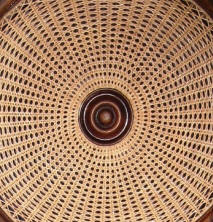
Medallion of turned wood in the centre of a 'spider's web' of cane |
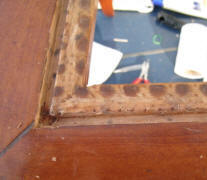
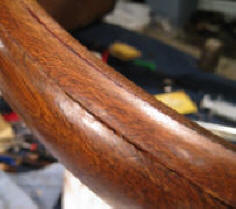 To make matters more complicated, there was a fillet or spline of wood in the back of the frame under which the loops of the cane are hidden. This has to be removed, very carefully before any work can commence.. |
||||||||||||||||||||||||||||||||||||||||||||||||||||||||||||||||||||||||||||||||||||||||||||||||||
|
There are 60 holes in both the outer frame and the medallion in the centre of the chair back totalling 120 holes. The cane is exceptionally fine - being 1.3mm and 1.6mm wide.
|
|||||||||||||||||||||||||||||||||||||||||||||||||||||||||||||||||||||||||||||||||||||||||||||||||||
|
Cleared groove ready for new cane |
New loom cane in place |
||||||||||||||||||||||||||||||||||||||||||||||||||||||||||||||||||||||||||||||||||||||||||||||||||
|
|||||||||||||||||||||||||||||||||||||||||||||||||||||||||||||||||||||||||||||||||||||||||||||||||||
|
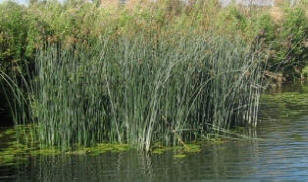
Scirpus lacustris Fresh water rushes growing in the Thames |
 |
||||||||||||||||||||||||||||||||||||||||||||||||||||||||||||||||||||||||||||||||||||||||||||||||||
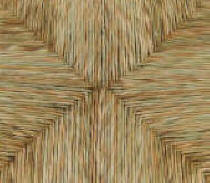 |
The subtle shades of green, brown and gold of a freshly rushed seat.
As it dries it will become a more even shade of gold.
Dutch and Portuguese rush is a more even golden brown when fresh and doesn't alter so much.
|
||||||||||||||||||||||||||||||||||||||||||||||||||||||||||||||||||||||||||||||||||||||||||||||||||
|
|
|||||||||||||||||||||||||||||||||||||||||||||||||||||||||||||||||||||||||||||||||||||||||||||||||||
|
|
|||||||||||||||||||||||||||||||||||||||||||||||||||||||||||||||||||||||||||||||||||||||||||||||||||
|
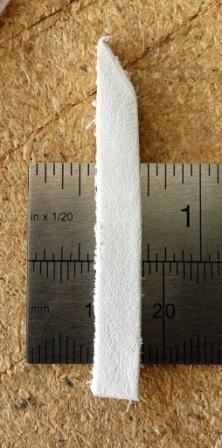
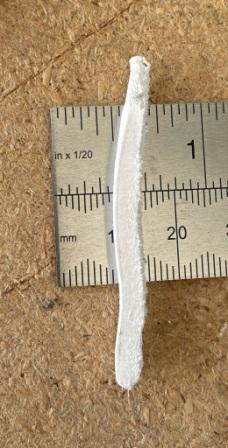
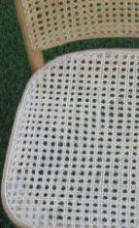
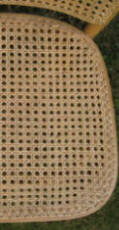
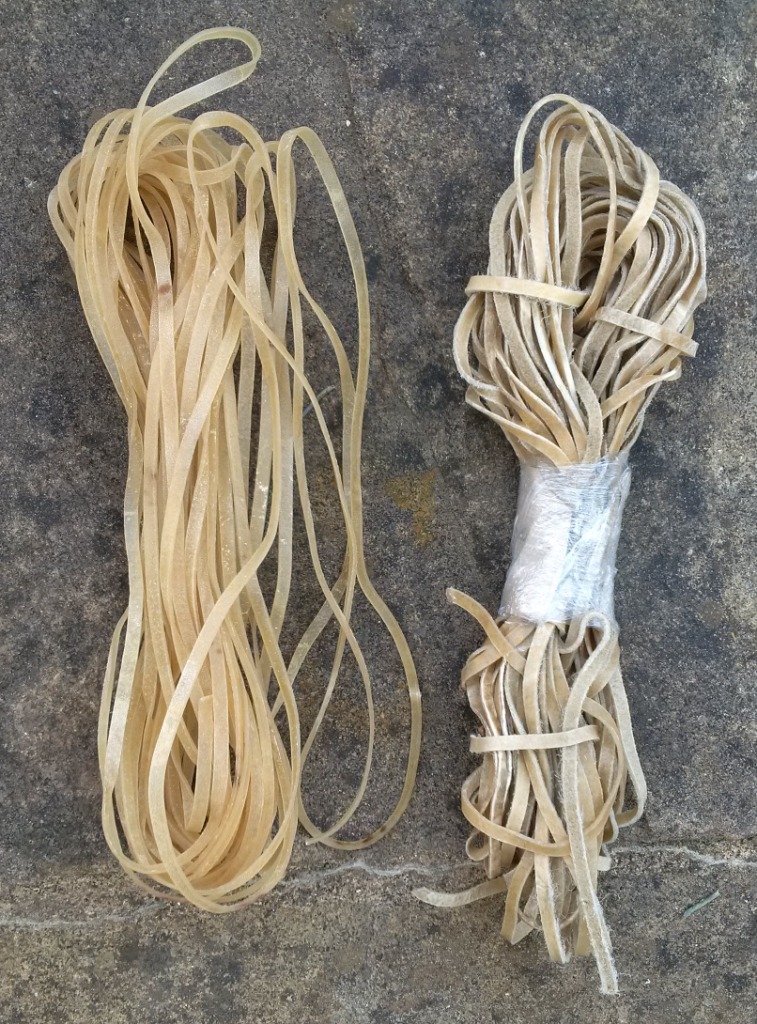
The appearance of raw riempie varies from batch to batch. The current batch is like that on the left ie translucent. As with all natural seat weaving materials, Riempie is a natural product and the appearance cannot be guaranteed to be exactly as shown on the website.
|
|||||||||||||||||||||||||||||||||||||||||||||||||||||||||||||||||||||||||||||||||||||||||||||||||||
|
In common with all antique furniture, avoid putting caned chairs etc in hot, dry sunny rooms or next to heat sources. Low humidity heat will dry out cane and make it brittle. Cane has a certain amount of stretch or give, which allows for the stress of someone sitting on it. After some time, the cane will begin to lose its "memory" and will begin to sag. When the cane can stretch no more, it will begin to wear against itself and the edges of the chair and strands and will break. To prolong the life of a caned seat, tighten the cane periodically. This is done by wetting the cane with warm water and a sponge on the underside, which is not protected by the glossy bark. By letting the cane dry slowly overnight, you can, for a few years, restore its original tightness. However, this procedure will not restore any of the original suppleness of the cane All natural seat weaving materials have a finite life.
|
|||||||||||||||||||||||||||||||||||||||||||||||||||||||||||||||||||||||||||||||||||||||||||||||||||
|
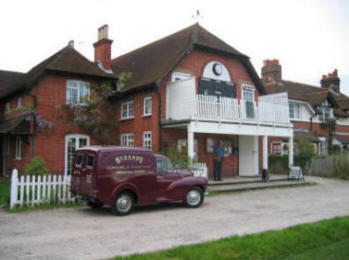
Morris outside the cricket pavilion at Littlewick Green backalong in our old life.
Livery by Merlin Signs 01494 438305
|
|||||||||||||||||||||||||||||||||||||||||||||||||||||||||||||||||||||||||||||||||||||||||||||||||||












Glebe Farmhouse, Buckerell, Devon. EX14 3EP